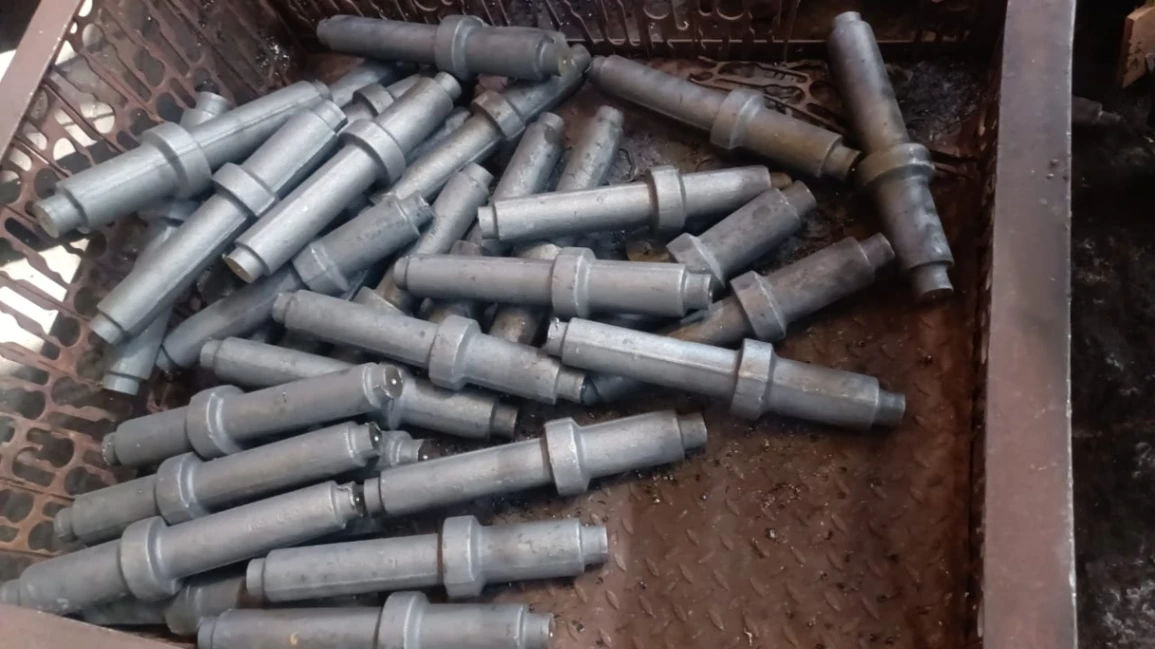
Automotive Components
Phased tariff elimination on auto parts over 5–10 years, opening EU OEM supply chains
India's automotive component industry — valued at over $70 billion domestically — has spent the past decade building genuine Tier-1 and Tier-2 capability for global OEMs. The EU-India FTA changes the economics of that relationship. With phased tariff elimination across engine parts, transmission assemblies, braking systems, electrical harnesses, and stamped metal components, Indian suppliers gain price competitiveness that previously only existed through SEZ concessions or bilateral agreements with individual OEMs. For European buyers, this means access to a production base that already supplies Bosch, Continental, ZF, and Valeo at scale — now at materially lower landed costs.
The corridor runs both ways. European precision component manufacturers — particularly in Germany's VDA ecosystem and Italy's Turin cluster — export high-value drivetrain components, electronic control units, and advanced materials into India's rapidly growing domestic auto market (4th largest globally). Indian OEMs like Tata Motors, Mahindra, and Maruti Suzuki rely on European Tier-1 suppliers for components where domestic capability is still scaling, especially in EV powertrains, ADAS sensors, and high-precision machined parts. The FTA reduces India's own import duties on these categories, making European sourcing more viable against Japanese and Korean alternatives.
The practical unlocks are specific: IATF 16949 is table stakes, but VDA 6.3 process audit compliance opens the German OEM corridor specifically. UTAC certification matters for France. The phaseout schedule varies by HS code — brake pads and clutch assemblies see faster reductions than engine blocks or complete transmission units. Exporters who map their product portfolio to the duty phaseout timeline and invest in the right certifications now will capture share before competitors adjust.
Country Corridor Guides
Select a destination country for detailed FTA analysis, compliance requirements, and market data.
India to Germany
FTA analysis, compliance, logistics & market data
India to France
FTA analysis, compliance, logistics & market data
India to Italy
FTA analysis, compliance, logistics & market data
India to Netherlands
FTA analysis, compliance, logistics & market data
India to Spain
FTA analysis, compliance, logistics & market data
India to Belgium
FTA analysis, compliance, logistics & market data
Related Guides
In-depth articles relevant to Automotive Components trade.
EU-India Free Trade Agreement: Complete Business Guide for 2026
The complete business guide to the EU-India Free Trade Agreement. Sector-by-sector tariff analysis, Rules of Origin, EUR.1 certificate process, and actionable steps for exporters and importers.
RoDTEP Scheme Explained: Maximize Your Export Benefits in 2026
Everything Indian exporters need to know about the RoDTEP scheme: eligibility, rates, how to claim, and common mistakes to avoid.
How to Export from India: The Complete Guide for 2026
Complete guide to exporting from India in 2026. Step-by-step: registration, finding buyers, pricing, logistics, payments, government incentives, and EU compliance.
Sector at a Glance
Bilateral Trade Value
~€5.4B
Growth Rate
+8.1% CAGR
Indian Exporters (approx.)
~4,200
Key Production Clusters